
WELCOME TO SOCIAL TRANSFORMATION CENTER (STC) NEPAL
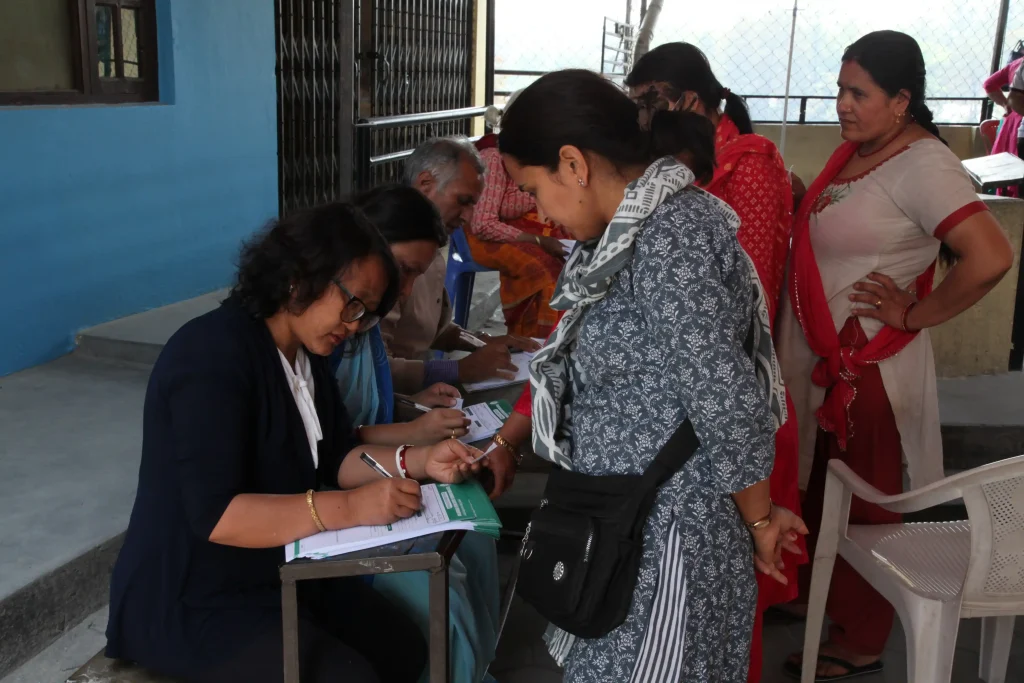
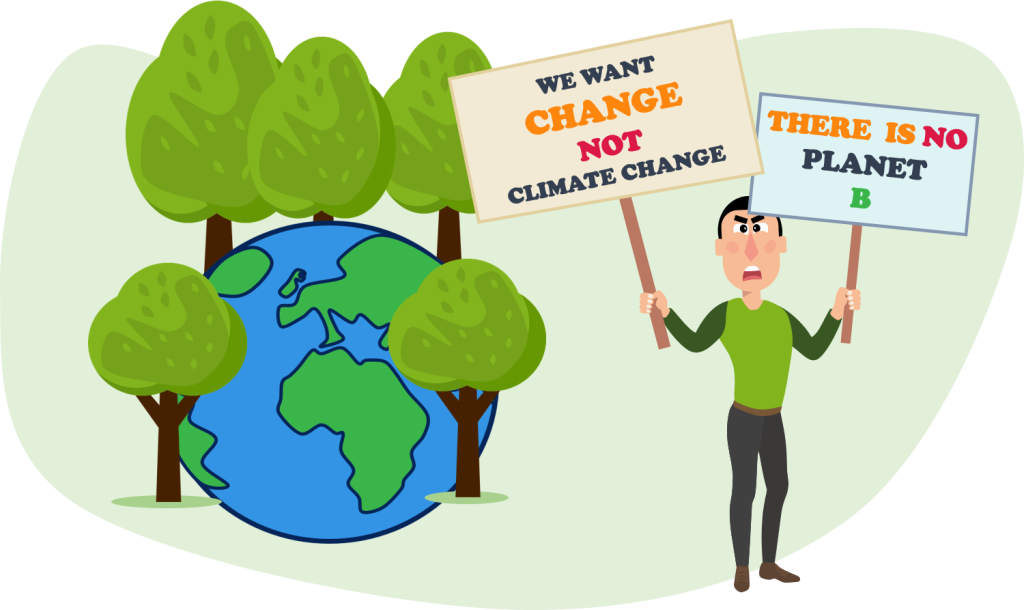
Cancer prevention & Evironment Protection
Social Transformation Center (STC), Nepal is a non-profit, non-political, and non-government organization established in 2023. It is registered at the Area Administration Office, Sarlahi and has affiliation with the Social Welfare Council of Nepal. The organization is a value – based organization committed to human centered and ecofriendly sustainable development.
There is a growing realization now that development is a human and internal process and has its roots on peoples’ initiatives and preparedness for change. Past experiences from different sectors have proved that no development can sustain if people do not own the process and that even with prohibitively high cost of implementation, government efforts alone may not yield any fruitful results if people do not participate in the process.
Since people are both the means and the end of development, any development to have a lasting impact on peoples’ lives must be demand-driven, responsive to local needs and sustainable through local knowledge and resources. In the present context of Nepal, the above argument would mean that development efforts must be directed towards mobilizing and empowering the local community. This will enable the community to demand for better services and improve the government delivery system. This assumes the need for more effective partnership between the people and the government in the process of development. Eventually, this will lead to mutual empowerment, that is, people are empowered and the government becomes efficient and responsive to the needs of the people.
CURRENTLY RUNNING PROGRAMS
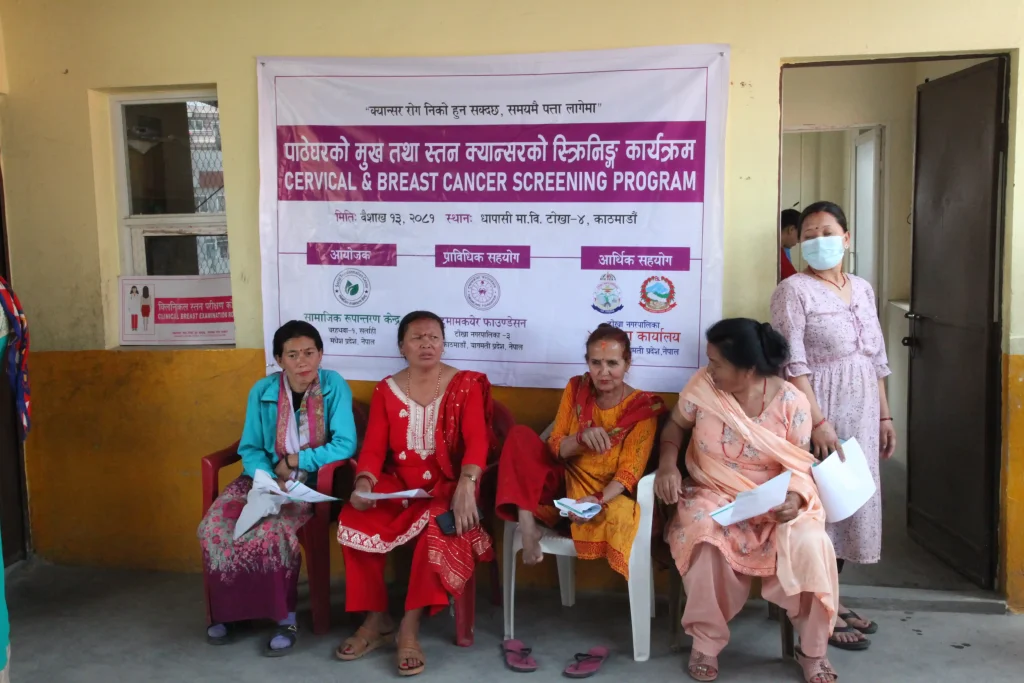
CERVICAL CANCER SCREENING & AWARENESS PROGRAM
Since its establishment, STC Nepal is running cervical cancer screening and awareness program. In Nepal, screening rates are low due to the lack of a regular screening system for breast and cervical cancers and preventive education, and there are many cases in which cancer has already progressed by the time of screening. These two cancers are the most common among women, accounting for 30% of all cancer-related mortality (WHO International Agency for Research on Cancer 2020).
In recent years, the government of Nepal has also been developing cervical cancer screening and prevention programs and free screenings for breast cancer, but it has not reached adequate measures due to lack of human resources and funding.
In this project, we will expand screening services and improve resident knowledge about breast and cervical cancers through screening camps and public awareness activities in Tokha Municipality, Tarakeshwar Municipality, Budhanilkantha Municipality and Nagarjun Municipality in the Kathmandu district. Through this project, we hope to increase the number of people receiving cancer screenings and the rate of early detection of cancer. Early detected cases are being referred to government hospitals (Bhaktapur Cancer Hospital and Thapathali Maternity Home) for further diagnosis and treatment. All programs data have been kept in special cancer screening software of the organization.

Nepal’s supply chains, farmers, and urban dwellers are already facing devastating climate impacts such as landslides, droughts, and flooding. Without concerted steps to shore up resilience, future climate hazards will threaten the country’s long-term development. Climate variability is already a major driver of food insecurity and poverty in Nepal, with increased flooding and heat stress seen in the southern regions, while the north experiences increased landslides, water stress, and glacial lake overflow. The report states that Nepal’s GDP could be at least 7 percent smaller by 2050 due to unchecked climate impacts.
As Nepal’s economy grows, it also needs to address its greenhouse gas and air pollution emissions. While the country is a negligible contributor to climate change – producing 0.1 percent of total global greenhouse gas emissions – the country’s emission rate is growing rapidly. Nepal also has one of the highest levels of air pollution in the world, with emissions from transport, biomass burning, and industrial activities significantly impacting health and productivity.
“With increased evidence of more severe climate change impacts, Nepal stands at a critical juncture to embark on a path for recovery and growth that is more sustainable, more inclusive, and more resilient to future shocks,” said World Bank Vice President for South Asia Martin Raiser. “The good news is that the country’s notable successes in community forestry and hydropower investments are a strong foundation for future climate-smart growth.”
Nepal has pledged to achieve net zero emissions by 2045 and to significantly scale up hydropower investment in the coming decade. In 2021, Nepal adopted the Green, Resilient and Inclusive Development (GRID) approach as a national vision to guide long-term green growth and build resilience to climate and other shocks that are barriers to Nepal’s development ambitions. Under Nepal’s federal structure, the local governments are placed at the center of climate resilience and development efforts with extensive implementation responsibilities and play a crucial role in translating the GRID strategy into action.